
Change the floor, change the room. Tile, plank and carpet in Virginia
Altera Flooring LLC installs tile, vinyl plank, laminate and carpet, with stair treads and trim to match, in southeastern Virginia communities.
- Entries, kitchens, backsplash
- Vinyl plank and laminate
- Bedrooms, halls, stairs
- Treads, nosing, baseboard
Same room, four floors
Pick a material and the floor in the room changes. Next to it: how it feels underfoot, how it sounds and where it fits.
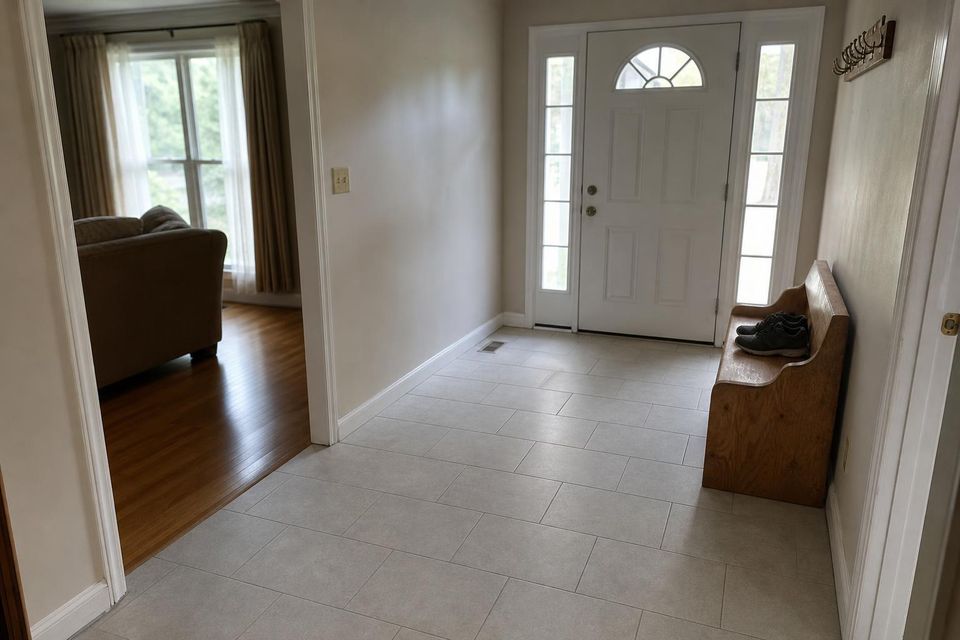
Tile: Cool, solid and crisp underfoot.
- Underfoot
- Firm and cool. A rug softens it where people stand for a while.
- Sound
- Footsteps sound clear and a little bright.
- Where it fits
- Front entries, kitchens, hallways and sunrooms that take a lot of daily traffic.
- Upkeep
- Sweep the grit often and use a microfiber mop, and the grout lines stay clean longer.
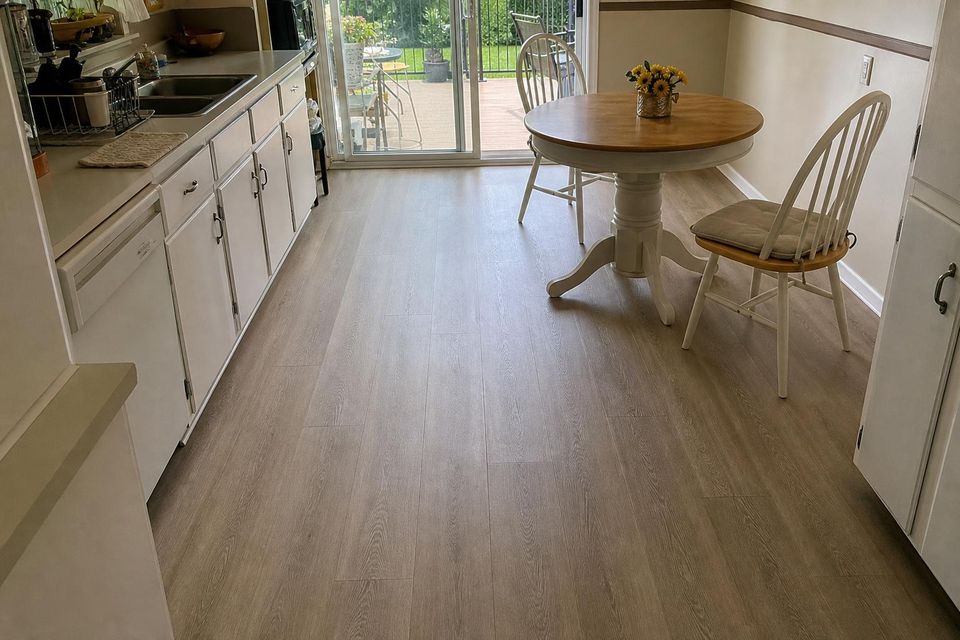
Vinyl plank: Wood look, softer step, quiet in busy rooms.
- Underfoot
- Slightly warm with a bit of give, easy on the knees in a kitchen.
- Sound
- Muted, especially over a good underlayment.
- Where it fits
- Kitchens, family rooms, hallways and whole first floors that run room to room.
- Upkeep
- A soft broom or vacuum and a microfiber mop. Felt pads under chairs.
About luxury vinyl plank installation Use vinyl plank in my request
Laminate: Crisp wood grain with a harder surface.
- Underfoot
- Firm and even, a touch warmer than tile.
- Sound
- A light click that underlayment keeps in check.
- Where it fits
- Living rooms, dens, bedrooms and home offices with steady, dry traffic.
- Upkeep
- A dust mop most days and a soft cloth for spots.
About laminate flooring installation Use laminate in my request
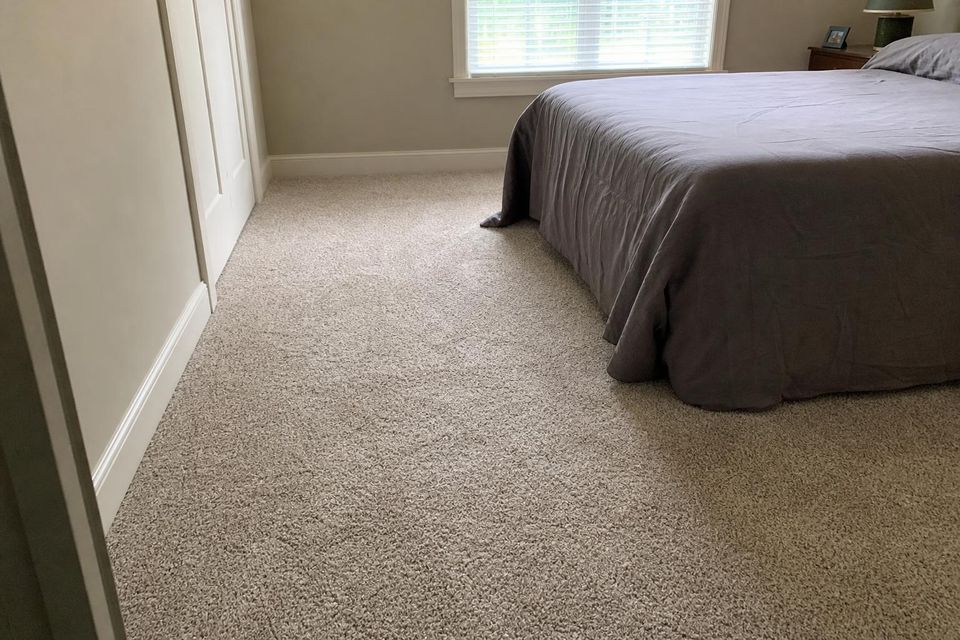
Carpet: Soft, warm and quiet, made for slow mornings.
- Underfoot
- The softest of the four, warm on a cold morning.
- Sound
- The quietest choice, it takes the echo out of a room.
- Where it fits
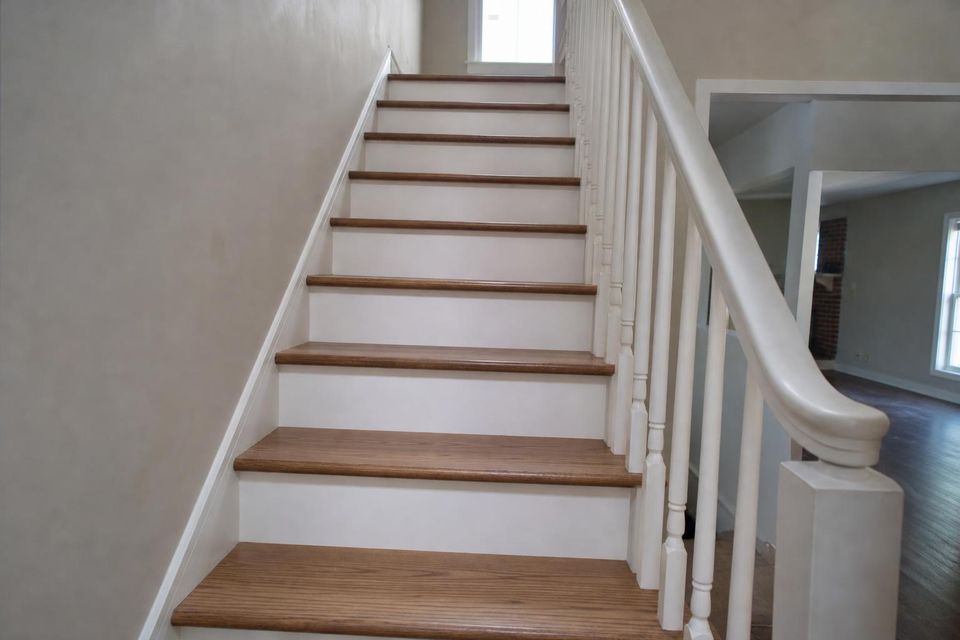
- Bedrooms, upstairs halls, bonus rooms and stairs where comfort comes first.
- Upkeep
- Vacuum weekly, blot spills from the outside in, rotate furniture now and then.
Four materials, six services
The site is sorted the way a floor is chosen: by material first. Each tile below opens the material and the services that belong to it.
-
-
Plank
Vinyl plank and laminate, wood looks for every room on the main floor.
-
-


The room stays.
Before
- Old carpet worn into paths between the doors
- Sheet vinyl curling at the kitchen edges
- Three different floors meeting in one small hall
- Baseboard chipped by the vacuum
- Stairs that still wear the original carpet
The floor changes.
After
- One plank running from the kitchen to the slider
- Tile that takes sandy shoes at the front door
- Carpet that feels soft and quiet upstairs
- Clean baseboard and slim transitions at every doorway
- Treads and nosing that match the floor on the landing
From the first measure to the last transition
Every floor follows the same four steps, whatever the material.
- 01
Visit and measure
We come to the house, measure each room, look at the base under the current floor and bring samples of the four materials.
- 02
Written estimate
You get the scope in writing: rooms, materials, prep, trim and the order of the work. You decide with everything in front of you.
- 03
Install days
Furniture moved, path protected, old floor out, base leveled and the new floor laid, room by room.
- 04
Walk through
We walk the rooms with you, check every edge and transition and leave short care notes for each material.

Built for the homes around here
Many houses in southeastern Virginia went up in the 1980s: two story colonials with a brick front, split levels, and single story ranches on wide flat lots. Their floors tell the same story. Carpet in nearly every room, sheet vinyl in the kitchen, a small tiled entry, and stairs still dressed in the original carpet.
That makes these homes perfect for a material change. Swap the carpet downstairs for one continuous plank, put tile where the sand comes in, keep carpet soft upstairs, and finish the stairs to match. The layout of the house stays the same, and the rooms feel new.


Tile at the doorPlank beyond it
Questions people ask first
Short answers here; each material page goes deeper.
Which material should go in which room?
Tile for entries and kitchens, vinyl plank where you want one wood look through the main floor, laminate for living rooms and bedrooms, carpet where comfort and quiet come first. The swap tool above shows how each one feels.
Do you take up the old floor?
Yes. Lifting the old carpet, sheet vinyl or plank in the work area is part of the job, and the old material leaves with us.
Can two materials meet in one open space?
They can, and it often looks great: tile at the door, plank beyond it. We plan the line and the transition so the change looks deliberate.
How does the estimate work?
We visit, measure each room, look at the base and talk through materials. Then you get the scope and the steps in writing before anything is scheduled.
Pick a material, we bring the samples
Tell us which rooms you want to change and what you are leaning toward. We set up a visit, measure, and put the plan in writing.